
3D Animator in VFX, game, feature and advertisement
3D Animator in VFX, game, feature and advertisement
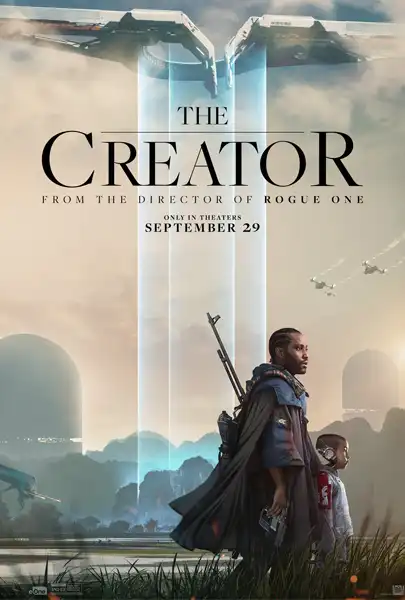
The Creator
VFX animation on The Creator was a mix Vehicle and prop animation, full character, camera and specific body part replacements that had to be animated.
Read more
Robot characters were key frame animation based on human actors performance which was well prepared on the shoot and suitable for roto animation. The interactions that robots had with props or the environment demanded additional adjustments to the performance.
Most featured type of animation was to the headgear. The rig provided for these allowed the animator to simply adjust the speed and direction of machinery for the final effect.
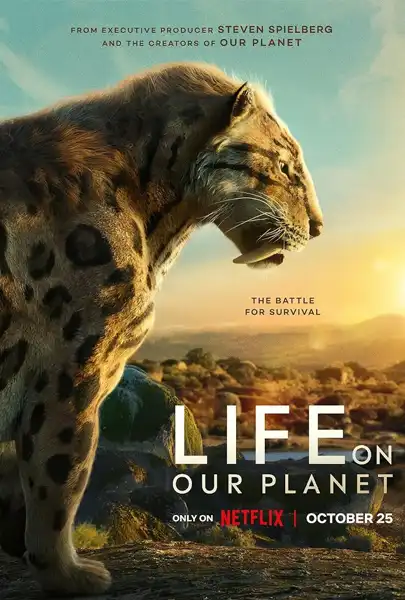
Life On Our Planet
VFX animation on Life on our Planet involved all kinds of full keyframe creature animation. From bipedal, quadrupeds, myriapods and swimming creatures.
Read more
As the show is a documentary based on long-extinct creatures, scientific literature was provided to enable us animators to understand how these ancient creatures used to behave and move. This often resulted in cross-references of current animals and mixing these into a new way of movement with some liberty of interpretation.
The workflow started with developing the base movements, walk and run cycles. These, when revised and perfected, were often used again as a foundation of performance in scenes. Once most of the performance was done, there would be a facial animation pass and a keyframed guide for muscles just before a muscle simulation was applied on top of that.
The fast amount of time I spend animating involved the Woolly Mammoths, Megacerops, Cameroceras, Anomalocaris, Doedicurus, Arthropleura, trilobite, Scutosaurus and cave lions.
I also worked on blocking and short-term help on scenes involving Anchiornis, Arandaspis, Smilodon, Tyrannosaurus Rex, Terrorbird, Gorgonopsid, Triceratops, Strepsodus, pterosaurs, Edmontosaurus, Cycle creation on the Arkansaurus and more.
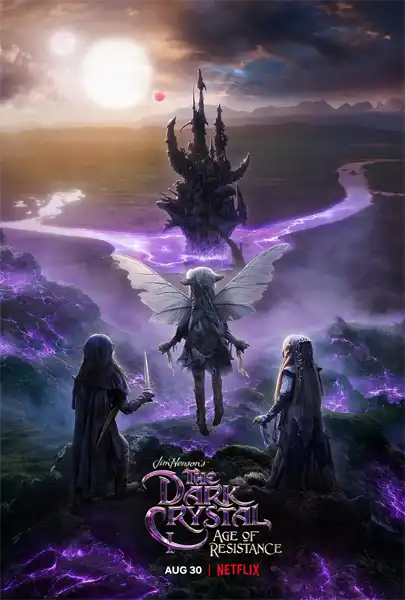
The Dark Crystal: Age of resistance
Stylised VFX animation on The Dark Crystal had a high focus on puppet-style creatures, semi living vehicles , body extensions and animation-driven FX.
Read more
As the show is a prequel to the 1982 Jim Henson film The Dark Crystal, we aimed to keep the style consistent with the original practical puppet work while utilising modern VFX to push beyond the limitations of practical work. After release, much of the audience has been convinced that the show was purely practical, which illustrates that VFX have been a success.
The director did give the team at DNEG-TV lots of creative freedom to develop the movement of many of the creatures, in particular, creatures that were not present in the original film. This allowed members of the team, including myself, to develop behaviours and characters from their own creativity.
I have been key responsible for developing the character performance of the Armalings, the whole movement and behaviour of the crystal skimmer and Silkspitters. While most of my animation time spent remained with these 3 creatures, I’ve also worked on shots with the Landstriders, Lore, Threaders, plenty of wing extensions and carriage vehicle animation from which the Armalings are the living wheels.
On rare occasions, the Gelflings were CG-replaced due to the limitations that practical puppets would pose. When I was involved, this happened mainly when they were riding creatures like the crystal skimmer and landstriders, but also on some wild ride shots where they ride the broken apart living wheel from the carriage through narrow woods.
In addition, I have made key frame animation-driven motions for FX to be applied on for the Darkening (purple tentacle-like smoke), camera animations and some props and debris.
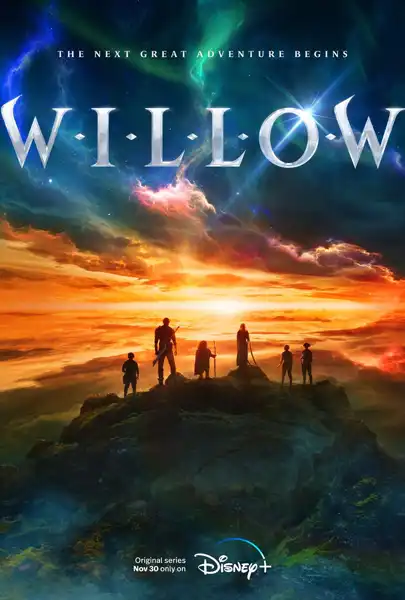
Willow
VFX animation on the Willow series focusing on The Crone character with full body keyframe lip-sync animation.
Read more
For the Crone character, we had 2 pieces to work with to bring her to life. We had a live-action performer who played the human form (Lili). Her performance led the animation beats and rough poses, so we kept a similar mannerism to her pre-transformed form. In addition, once in the Crone form, the voice changed, and with that, we had to lip-synch to a secondary voice performer. The voice performance was recorded from multiple angles, providing a reference for the lip-sync. No motion capture was used, and the animation is 100% keyframe.
The crone is of different proportions to the actress, forcing us to adjust poses and weigth to make it believable. The Crone also had tentacles for legs, creating an additional challenge to have them move in support of the rest of the body without becoming too dominant and distracting.
More
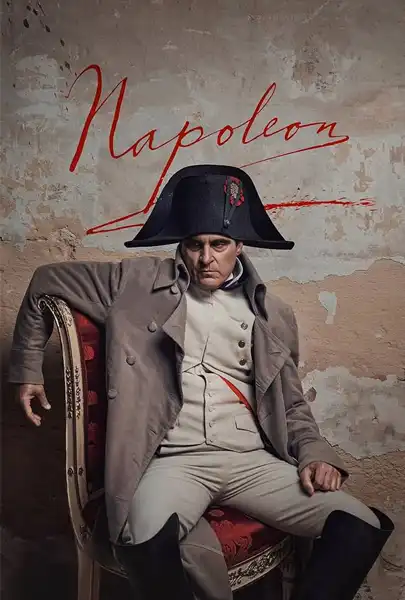
Napoleon
VFX animation to populate big crowds of soldiers and horses. Based on motion capture, adjusted to specific weight, equipment and performance.
Read more
As battles in Napoleon are spectacularly big, VFX was used alongside real performers to increase the size of the crowd in multiple scenes. The animation used to populate scenes were based on captured data, but this did require substantial adjustments. Data for the horses never matched the scale, so we had to fix leg positions and the relation to the rest of the body on every occasion. Stirrups, bridle, reins and tail were keyframe animated and then given an additional pass with scripted tools for more dynamic effects between anchor points. Horses had often human riders on them that needed to interact appropriately with the horse animation, and also carried swords in multiple positions and actions.
Human soldiers, motion capture data needed adjustments for the weapons they had to carry and actions they needed to perform. In particular, soldiers who would die, fall, collide or sink under broken ice required keyframe animation to make this believable.
Most animation was a set length of moving forward in any way, charge, run or walk. But sometimes we had to make interactions with other soldiers demanding more keyframe animation for good battle contact.
The animations were unique pieces to be published in the project library, not in specific shots by us animators. Other departments used our animations to place them in shots as they saw fit. As a consequence, animation work can be found in multiple scenes.
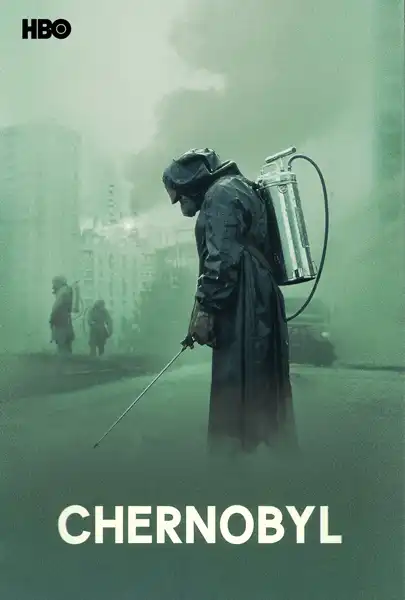
Chernobyl
VFX animation on Chernobyl was mainly vehicle animations populating environments with soviet era vehicles for set dressing.
Read more
Considering the show takes place in an old setting, no practical vehicle was visible in the showcased shots. Most of my time was spent on cars, vans and buses, giving them suspension and believable interaction with the terrain. In addition, driver animations were added to the vehicles when they were close enough to be visible. Next to this, I added helicopters with the right RPM and applied camera animations for background shot extensions.
Substance
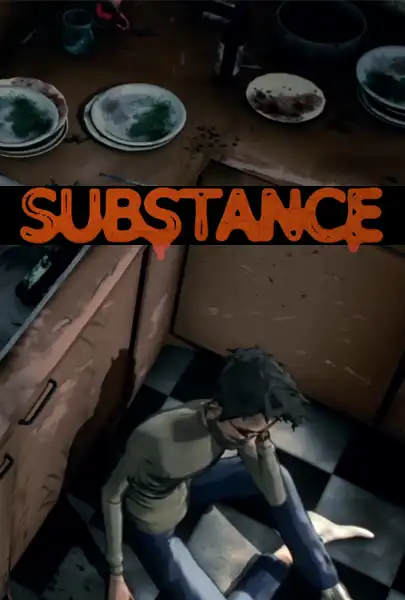
Substance is a stylised short animation film. It is a full keyframe character animation produced as an independent group effort.
Read more
Key frame animation was done in 2 styles. The main style was meant to give a depressed feeling and was deliberately animated in stepped doubles to give a more traditional 2D animation look. The second style is a dream-like hallucination which was overly smooth, splined singles 24FPS. The team, excluding audio, consisted of seven members, of whom there were only 2 animators, including myself.
We started the animation process with a storyboard first and then filmed ourselves to have the whole film in live-action. This was a good reference for both the edit and the animation. From there, the animation was built up in stages, going from blocking, in between, tween, offset, to finally the polish stage.
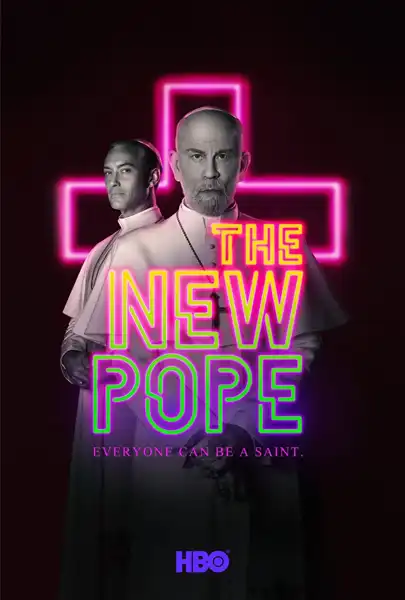
The New Pope
VFX animation on The New Pope was a mix of creature animation, motion capture crowd and object animations.
Read more
I have animated 2 creatures in The New Pope. A millipede on a path-based rig, and a full key frame animation of a dove. I had to go into the subframes to get the correct motion blur behaviour and get a believable dove from the animation. To assist with this, a high frame rate shot was used for reference.
The show contained a lot of big crowds for which I had to clean up motion capture data and alter performance to suit specific scenes. The animations were unique pieces to be published in the project library, not in specific shots. Other departments used the animations to place them in shots as they saw fit.
Additionally, there were prop animations like tennis balls in the background being passed between people playing beach games.
More
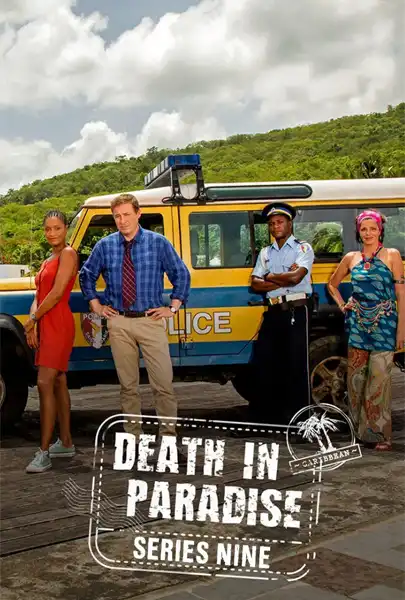
Death in Paradise S9
VFX creature animation on Harry the lizard. Full keyframe body animation with minimal facial animation.
Read more
Workflow started with a rough layout animation pass, determining direction and general speed. Going into more animation depth, I gathered reference for lizard behaviour and took inspiration from previously animated shots of this character to maintain consistency.
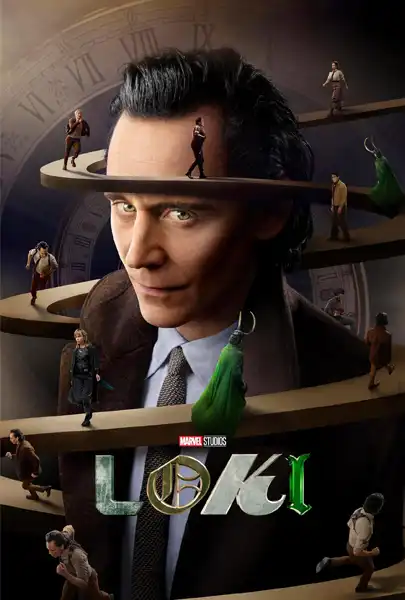
Loki S2
VFX animation involving CG doubles, props and a Ferris wheel. In addition, camera animation and layout.
Read more
Most shots contained a full CG Ferris wheel that needed to spin at a consistent speed and have wagons move dynamically with it. Some shots required a set piece of a wagon to be lined up with the CG Ferris wheel, and a 3D camera was used to track the motion constrained to the Ferris wheel, allowing the 3D environment to match.
Forcefield effects coming from Loki required CG doubles to have the right FX interaction, allowing for CG take-over characters to fly around Loki or be blasted away.
Finally, some layout work was passed on for environment extensions and spotlights in the background got animated.
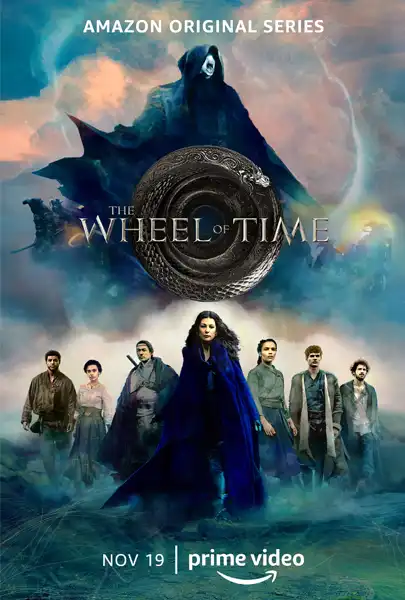
The Wheel of Time S1
VFX animation to populate big crowds with adjusted motion capture. In addition, adding prop animation and CG takeovers.
Read more
In animation, motion-captured performance, placed and laid out to populate the scene, had to be adjusted to fit and interact properly with the terrain. Some running CG humans had to jump over obstacles, which had to be keyframed, or zigzag and collide, which required adjustments to the motion capture. There was also a need to manufacture more variation from the existing data to avoid spotting repeated usage.
Besides crowd animation, I have added arrows with prop animation and created some CG takeover animation. This process began with an overlap, creating rotoanimation, which allowed for a seamless blend from live-action to 3D animation. It then continued with a more aggressive blasted-away effect compared to the live-action stunt work.
Doctor Who S12 Special
VFX animation involving creature animation with tentacles, vehicle and FX animation.
Read more
Creature animation on the Dalek was a special moment as these had never moved freely in the series before. This allowed for a new performance. Taking reference from octopus, we had to make the Dalek a lot quicker, which made it an inspired mix of a camel spider and octopus.
Most of the show had the Daleks in their usual vehicle, swarming around the city. These were animated on a path at first with a self-made locator flight rig setup to provide space for more secondary and offset passes on the flight animations.
Finally, the mother ship was key-frame animated, and so were linear laser beams.
More
Doctor Who S12
VFX animation in creature animation, both keyframe and motion capture, vehicle, object, linear FX animation for lasers and camera animation.
Read more
Skithra creatures were full keyframe and based on a mixture of scorpion and dog in their behaviour, with some self-shot performance reference for the character.
Dreks with their humanoid design allowed for motion capture used to extend crowds. Fun fact: Two animators, including myself, played the Dreks in a suit to be captured.
Chagaskas full is a full keyframe animated creature. The design was a strange mix of a gorilla/beer-like creature looking for behaviour reference with those animals.
Furthermore, we had Cyberman heads and spaceships. This was mostly done with flight rigs made out of locators to get a good, controllable workflow for flight.